In the world of crypto, governance tokens are tools that put decision-making into the hands of users. These digital assets give communities a say in how blockchain protocols are run—everything from updates to resource allocation. This article explores how governance tokens work, why they matter, and what role they play in today’s most influential crypto projects.
What Is a Governance Token?
A governance token is a type of cryptocurrency issued by a blockchain platform. It gives token holders the right to influence the future of the project. When you hold a governance token, you gain voting power.
Most governance tokens work with a decentralized autonomous organization (DAO). This structure allows community members to vote on proposals. These may include protocol changes, upgrades, or funding decisions.
The purpose of governance tokens is to make decision-making more open. Instead of relying on a central authority, projects use governance tokens to support a decentralized approach. Token holders can propose, vote, and shape how the protocol evolves.
Why Governance Matters in Cryptocurrency
Governance is how a cryptocurrency project makes decisions. It shapes the rules, upgrades, and direction of a blockchain. Unlike traditional equity markets, cryptocurrencies rely on community input, not corporate boards.
The decentralized nature of blockchain projects means that developers and token holders must work together. This gives users a voice in the decision making process—but only if they choose to participate.
In many cases, token holders skip voting. It’s not because they’re blocked, but because governance proposals are often too technical. Many don’t know they have a say.
Yet, governance rights are crucial. As a token holder, you can help decide how the blockchain grows. Even if these rights don’t bring direct profit, they give you influence over changes that may impact the value of your investment.
For example, switching from proof-of-work to proof-of-stake affects how the blockchain operates. These changes can shift market dynamics. If you’re investing in a cryptocurrency, you should care about who controls these decisions—and how.
When Votes Saved a Protocol
The MakerDAO Black Thursday crisis proved how governance can save a project when token holders take action.
In March 2020, during a market-wide crash known as Black Thursday, MakerDAO—the protocol behind the DAI stablecoin—faced a system failure. DAI is pegged to the US dollar and backed by crypto collateral. But when ETH crashed, Maker’s price oracles lagged. Some liquidations were processed for $0, draining $8 million from the protocol.
This caused DAI to lose its $1 peg and created panic. MKR token holders had to act fast. Through emergency governance, they voted on critical proposals: raising fees, adding USDC as collateral, and fixing the oracle system.
Thanks to community involvement, the underlying protocol stabilized. Without these votes, MakerDAO could have collapsed or lost user trust permanently.
This example shows what happens when governance works. Token holders can shape the future, restore stability, and protect the ecosystem—if they participate.
Why Do Governance Tokens Have Value?
Governance tokens aren’t just tools for voting—they also carry real value in shaping and sustaining a protocol. Here’s why they matter:
Bootstrap Growth
Governance tokens attract early users by offering rewards for participation. This helps new projects grow fast without relying on outside funding. Users become stakeholders, creating a loyal and active community from day one.
Align Incentives
Holding governance tokens ties your success to the platform’s future. Users, developers, and investors work toward the same goals, making decisions that benefit the protocol as a whole.
Protect the Protocol
Governance tokens distribute control across the community. This prevents centralization and allows token holders to reject harmful proposals. It’s a built-in defense system that keeps the protocol on track.
How Do Governance Tokens Work?
Governance tokens power decision-making in the crypto sector. Projects release governance tokens on smart contract blockchains like Ethereum, Solana, or Cosmos. Each dApp uses its own issuance policy and token distribution method.
Once launched, community members can use governance tokens to vote on key changes. These votes happen inside a governance system, often based on a DAO.
Most governance tokens are part of the decentralized finance (DeFi) ecosystem. So these tokens can also be used for staking, borrowing, or yield farming. But their core purpose is to give users voting rights.
Decentralized autonomous organizations manage these systems through smart contracts. The code enforces rules without a central authority. These contracts ensure that all proposals and votes are transparent and automatic.
For example, a DAO might vote to burn tokens. If passed, a smart contract automatically removes the tokens from circulation. No single person needs to approve the action. This is governance by code—open, traceable, and secure.

How Do You Vote with Governance Tokens?
Each platform has its own governance system, but the process usually includes three main steps:
Hold tokens – you need to own a project’s governance token
Find proposals – proposals are posted on a forum or dashboard
Stake tokens – you must lock or delegate tokens to vote
Start by connecting your wallet to the platform’s governance portal. Most platforms use MetaMask, WalletConnect, or similar tools.
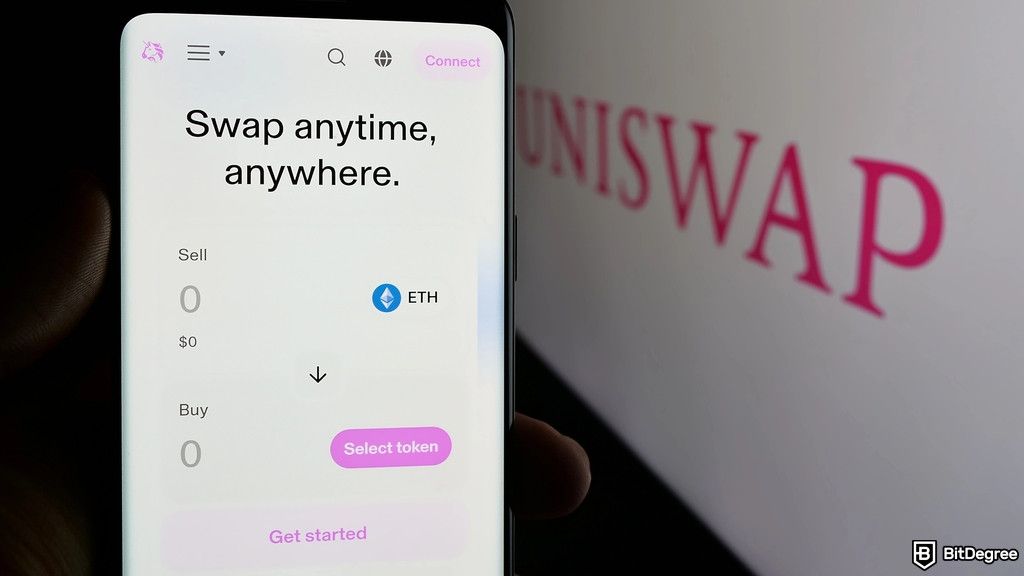
For example, on Uniswap, you can review proposals or create your own. MakerDAO also allows direct voting through its portal. Once connected, you stake your tokens and cast your vote.
Some governance protocols allow delegation. This means you give your voting power to a trusted person who votes on your behalf. Delegates may be community leaders or individuals with more technical knowledge.
Each vote uses different voting mechanisms. Some require a quorum, or a minimum number of participants. Others rely on time windows to close the vote.
All votes and outcomes are recorded on-chain through smart contracts. This keeps the process fair, verifiable, and secure. With just a wallet and some crypto assets, you can take part in decisions that shape your favorite protocols.
What Can You Vote On with a Governance Token?
Each project sets its own rules, but common governance proposals include:
Changing the app’s interface
Modifying smart contract code
Adjusting crypto rewards for liquidity providers
Setting staking or interest rate fees
Allocating funds for development
Updating roadmaps or adding new features
Adjusting total token supply
Appointing new developers or leaders
Revising the governance system itself
Votes are cast using predefined voting mechanisms. Some changes are cosmetic, while others affect a protocol’s core operations. Each proposal goes through a transparent process, with results visible on-chain.
By voting, you help shape how the project evolves. Your tokens give you a real say in what comes next.
Key Benefits of Governance Tokens
Real Decentralization
Governance tokens are the backbone of decentralized decision-making. They give communities control over protocols instead of relying on centralized teams. When you hold a governance token, you participate in shaping the future of a project. It’s a proof of decentralization in action—not just smart contracts running in isolation.
Open Collaboration
With governance tokens, community members don’t just vote. They collaborate. Governance proposals encourage discussion, debate, and feedback. This process often leads to stronger ideas, shared responsibility, and more cohesive decision-making across the network.
Increased Efficiency
Collaboration through governance increases efficiency. When users feel involved, they participate more actively. This speeds up development and ensures new features match what users actually want. Decentralized development becomes more agile and focused.
Transparency and Trust
Governance tokens create clear, on-chain records of votes and outcomes. Nothing is hidden. You know what decisions were made, by whom, and why. This level of transparency builds trust among users and reduces reliance on intermediaries.
Stronger Community Loyalty
When you give people voting rights, you also give them a stake in the protocol. That sense of ownership builds loyalty. Users advocate for the platform, contribute to growth, and stick around—because their voice matters.
Fast Adaptation
Governance tokens help protocols respond quickly to market changes. If a fee needs adjusting or a new feature must be added, the community can vote and act fast. This dynamic feedback loop keeps projects relevant and competitive.
Challenges and Risks of Governance Tokens
No Legal Protection or Enforcement
One common critique of governance tokens is that they look like shares—just without the legal rights. They mimic traditional equity but lack enforceable obligations. You can vote, yes. But no law guarantees the team will listen.
There’s no contract, no shareholder protection, and no court to appeal to if your vote gets ignored. While the blockchain keeps a decentralized record of who owns what, it doesn’t enforce what happens next. That enforcement depends entirely on social pressure or goodwill.
This leaves governance token holders exposed. If the team disagrees with the vote or just walks away, there’s no reliable way to stop them. Trust replaces structure. In times of crisis, that’s a risky foundation.
The model is innovative—but incomplete. Without legal or decentralized enforcement, governance often ends where consensus fails.
Whale Domination
One of the biggest risks is whales—users who hold large amounts of tokens. These users can dominate the vote and push decisions that benefit themselves, even if it harms the protocol. Chainalysis found 1% of users held 90% of voting power in top DAOs. When too much power is concentrated, decentralization becomes a myth.
Lack of Accountability
Voting is often anonymous. If a proposal fails or causes damage, no one steps up. People can deflect responsibility, claiming they didn’t understand the impact. This lack of accountability weakens trust in the governance process.
Voter Apathy
In many DAOs, voter participation is low—often averaging just 20% This low voter turnout means a few voices can make decisions for everyone. As a result, proposals may not reflect the true will of the community.
Complexity of Proposals
Many governance proposals are technical. Unless you’re a developer, it can be hard to understand what’s at stake. This complexity can discourage participation and leave important decisions in the hands of a few insiders.
Smart Contract Risks
Once a vote passes, smart contracts usually execute the decision automatically. But if the contract has a bug or flaw, the consequences can be serious. Even a well-intentioned proposal can break the system if its code is faulty.
Multi-Governance Confusion
Some platforms use more than one governance token. This multi-token setup adds complexity and confusion. Users may struggle to understand how votes are split, what each token controls, and how to participate effectively.
Regulatory Pressure
Governments may begin to treat governance tokens like stocks. If that happens, regulation could change how tokens function. Compliance requirements might restrict voting, impact token utility, or reduce access in certain regions.
How Governance Tokens Differ from Utility and Security Tokens
In short: governance tokens give power, utility tokens give access, and security tokens give ownership. Each serves a different role in the blockchain ecosystem.
Governance tokens give you voting power. That’s what sets them apart. Governance token holders have the right to vote on protocol changes, upgrades, and fund allocations. Voting is not optional—it’s the core purpose of these tokens.
Utility tokens unlock access to services or products. They might offer discounts, staking rewards, or premium features. For example, Binance Coin (BNB) reduces trading fees and gives priority access to Binance Launchpad. While some utility tokens may allow voting, it isn’t their main function.
That’s why all governance tokens are utility tokens, but not all utility tokens are governance tokens.
Security tokens represent ownership. These digital assets are backed by real-world investments like real estate, equity, or fine art. They follow strict regulations and grant you legal rights, similar to traditional securities.

Popular Governance Tokens and Projects
Governance tokens are widely available across major exchanges. Many of them power leading DeFi protocols and Web3 platforms, giving you a chance to shape their future. By holding these tokens, you can take part in key decisions—from protocol upgrades to treasury spending.
Here are some of the most well-known governance tokens you can explore today:
0x (ZRX)
Aave (AAVE)
Arbitrum (ARB)
Balancer (BAL)
Compound (COMP)
Curve (CRV)
Dash (DASH)
Decentraland (MANA)
Ethereum Name Service (ENS)
Maker (MKR)
Merit Circle (MC)
Optimism (OP)
PancakeSwap (CAKE)
Uniswap (UNI)
SushiSwap (SUSHI)
Synthetix (SNX)
Tribe (TRIBE)
UMA (UMA)
Yearn.Finance (YFI)
Are Governance Tokens Worth Buying?
Yes—if you’re active in crypto and want to influence a project’s future.
Top governance tokens like UNI, AAVE, and DYDX give you voting power and access to decision-making within major protocols. They can also offer staking rewards, early access to features, or airdrops.
However, they don’t represent company shares or revenue rights, and their value is tied to community engagement and protocol usage. If you’re a passive investor looking for stable returns, governance tokens may not be ideal. But if you’re deeply involved in DeFi, they can be both a strategic tool and a meaningful investment.
The Future of Governance Tokens
Governance tokens will definitely continue to play a vital role in the evolving crypto space. As DeFi protocols grow more complex, new governance models—like quadratic or delegated voting—may help solve issues like low participation and voter inequality. These innovations aim to ensure that decision-making better reflects the broader community.
The future of governance depends on transparency, inclusivity, and active engagement. Strong governance structures will support long-term sustainability and reduce the risk of centralization. Governance tokens may soon become a standard feature in decentralized platforms and even expand into traditional finance tools.
FAQ
Do I need to own a lot of governance tokens to participate in voting?
No, most crypto projects allow any token holder to vote, regardless of how many tokens they hold. However, the more tokens you have, the more weight your vote carries. The primary purpose is to include the community in shaping the protocol—not to restrict participation to large holders.
What happens if I own governance tokens but don’t vote?
Nothing happens to your tokens, but you miss your chance to influence the future of the project. Many governance systems function with low voter turnout, meaning a small group decides for everyone.
Can governance tokens make me money?
Depending on the protocol, you may earn rewards through staking, liquidity mining, or future airdrops. In on-chain governance systems, active participants are sometimes incentivized to vote. However, these tokens don’t guarantee profit and are not designed purely as investments.
Can governance tokens be hacked or manipulated?
The tokens themselves are usually secure, but malicious actors can still try to exploit vulnerabilities in smart contracts or gain control through vote-buying. If a few users hold a majority of tokens, they can push changes for personal gain. Proper auditing and decentralization help reduce the risk of manipulation in governance systems.
Are governance tokens the same as shares in a company?
No, they are not. While both offer influence in the decision making process, governance tokens don’t provide legal ownership, dividends, or shareholder rights. They operate through code, not contracts. Governance tokens give you voting power on upgrades and changes—but without the legal protections provided by traditional shares in regulated markets.
Is ETH a governance token?
No, ETH is not a governance token. It is the native cryptocurrency of the Ethereum network, used for gas fees and smart contract execution.
Is Uniswap a governance token?
Yes, the UNI token is the governance token of the crypto platform Uniswap.
Is ADA a governance token?
Not yet—but it’s evolving. ADA is the native token of the Cardano blockchain. It currently supports staking and network security. However, Cardano is actively building on-chain governance features that will allow ADA holders to vote on protocol changes and funding decisions in the near future.
Is DOT a governance token?
Yes, DOT is the governance token of the Polkadot network.
Disclaimer: Please note that the contents of this article are not financial or investing advice. The information provided in this article is the author’s opinion only and should not be considered as offering trading or investing recommendations. We do not make any warranties about the completeness, reliability and accuracy of this information. The cryptocurrency market suffers from high volatility and occasional arbitrary movements. Any investor, trader, or regular crypto users should research multiple viewpoints and be familiar with all local regulations before committing to an investment.