Cardano is the first layer (L1) and as a blockchain network does not currently scale well. On the other hand, Hydra is the second layer (L2) that scales very well. But it’s not that black and white. Although L2s solve the problem of low scalability of blockchains, they bring many questions to which we do not know the answers. Should we focus our efforts on better blockchain scalability or rather on L2 development?
The Ethereum community is currently dealing with a problem with L2s as they fragment users and capital. Yet the team decided to support the L2s ecosystem at the expense of L1 scalability. Was it a good choice? Time will tell.
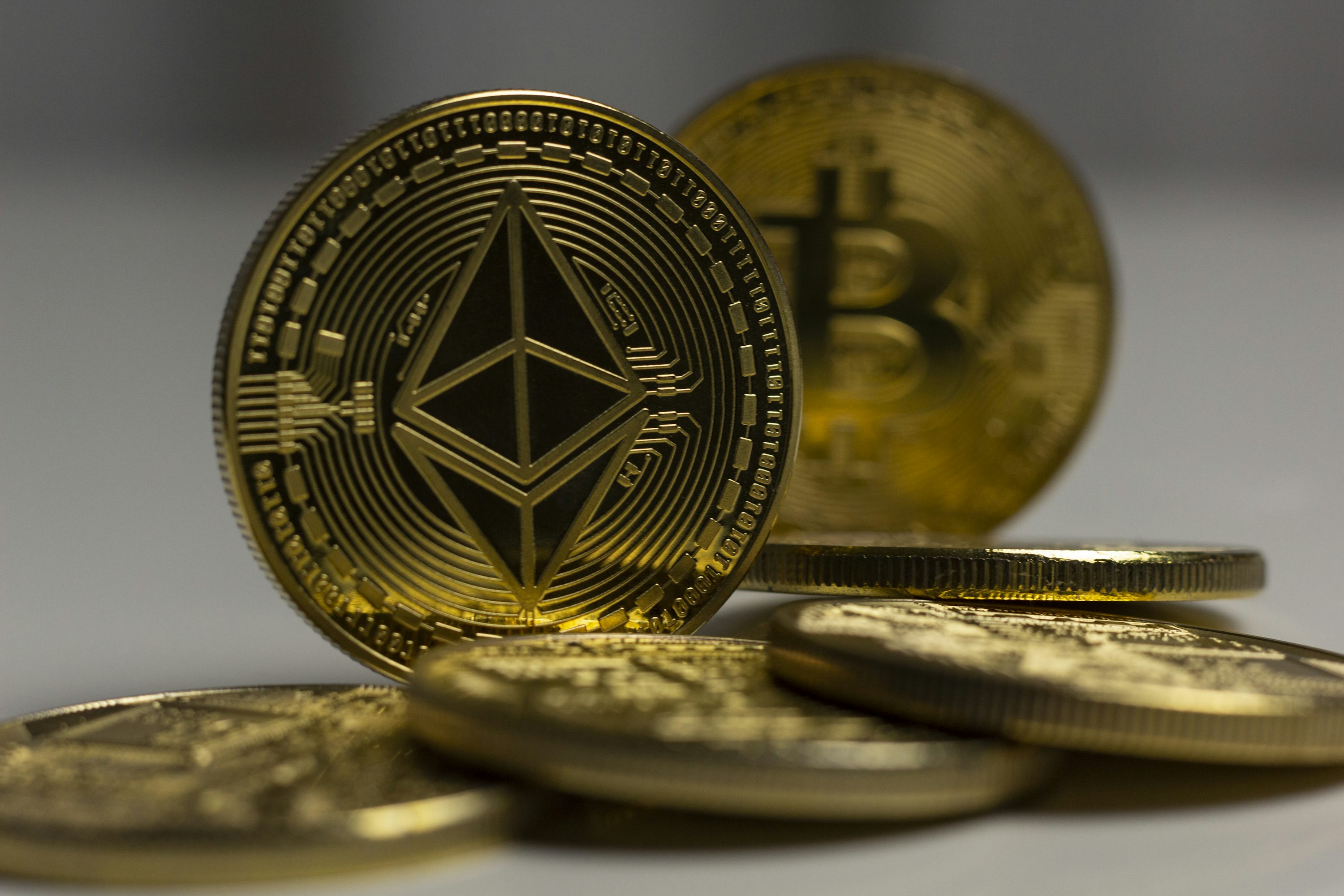
Bitcoin and Ethereum are the first and second-generation blockchain networks, and neither scales well. Cardano, as a representative of the third generation, is in a similar situation. Although the IOG team has plans to address this issue and Ouroboros Leios PoS (Input Endorsers) will bring a significant improvement, even Cardano is currently not capable of global adoption. There is no well-scalable blockchain in the top 10 that would simultaneously maintain a high degree of decentralization.